
iUKD: A Specialised Centre for Advanced Kidney and Urological Care
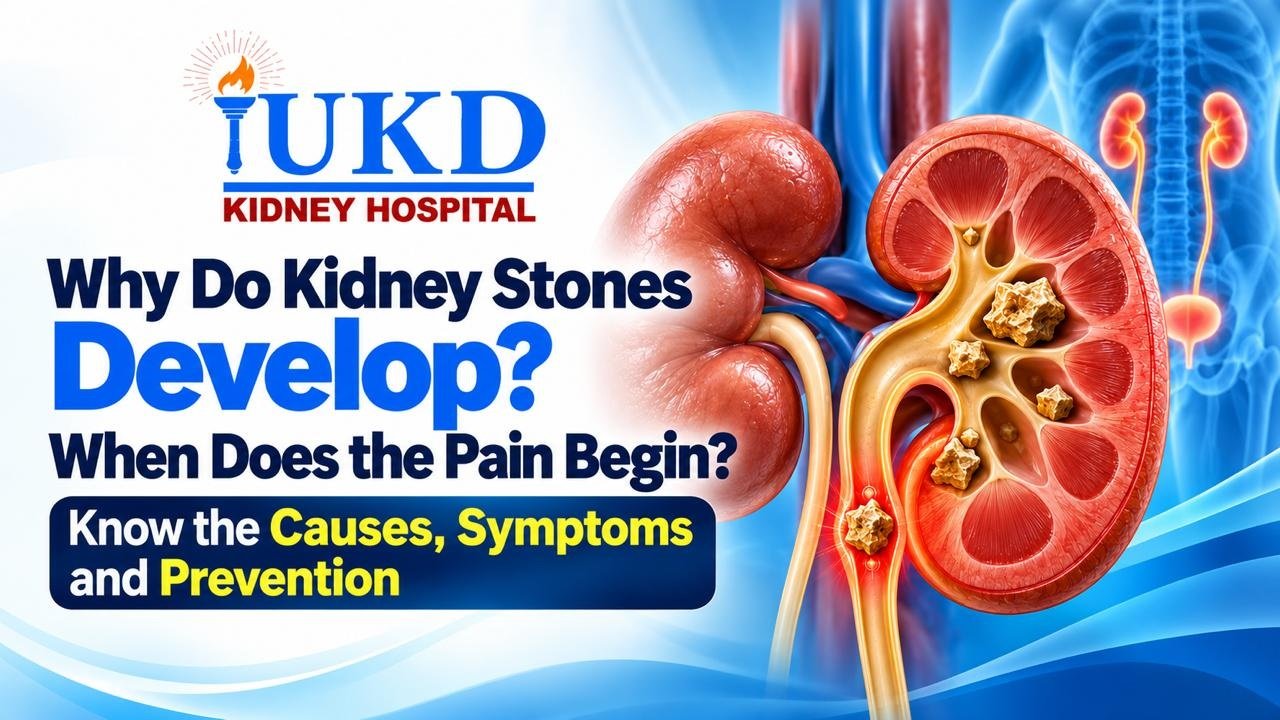
Kidney stones are a common urological problem that can affect people of different age groups. They develop when certain minerals and salts present in urine become concentrated and form crystals, which gradually grow into stones. These stones may be as small as grains of sand or, in some cases, considerably larger. The major types include calcium oxalate stones, uric acid stones, struvite stones and cystine stones.
What Causes Kidney Stones?
Several factors can contribute to the formation of kidney stones. The major causes and risk factors include the following:
- Family History: People with a family history of kidney stones may have a higher risk of developing the condition.
- Inadequate Fluid Intake: When the body does not receive enough fluids, urine becomes more concentrated. This increases the likelihood of minerals and salts crystallising and forming stones.
- Dietary Habits: Excessive salt intake, high consumption of animal protein and certain oxalate-rich foods may increase the risk of kidney stones in susceptible individuals.
- Metabolic and Genetic Disorders: Increased levels of calcium or uric acid in urine, renal tubular acidosis and certain metabolic disorders can contribute to stone formation.
- Hot Climatic Conditions: People living in hot climates may lose more fluids through sweating. If these fluids are not adequately replenished, the risk of kidney stones may increase.
- Certain Medical Conditions and Medications: Some chronic intestinal and metabolic disorders, particular diuretic medications, calcium-containing antacids and excessive intake of certain vitamin supplements may increase the risk of stone formation in some individuals. However, calcium-rich foods are not inherently harmful, and prescribed medications or supplements should not be stopped without medical advice.
Kidney stones can develop in adults of different age groups. People who have previously experienced kidney stones may also be at an increased risk of recurrence.
When Does Kidney Stone Pain Occur?
Not everyone with kidney stones experiences pain. Small stones may remain in the kidneys without causing noticeable symptoms. However, when a stone moves from the kidney into the ureter—the tube that carries urine from the kidney to the bladder—it may obstruct the normal flow of urine and cause severe pain.
The pain usually begins on one side of the back or flank, below the ribs, and may radiate towards the lower abdomen, groin or genital region. It can begin suddenly, fluctuate in intensity and sometimes become extremely severe.
Kidney stone pain may occur at night or in the early hours of the morning, but it is not restricted to any particular time of day.
Common Symptoms of Kidney Stones
- Severe pain on one side of the back or flank.
- Pain spreading towards the lower abdomen or groin.
- Pain or a burning sensation during urination.
- Blood in the urine, which may appear pink, red or brown.
- A frequent or urgent need to urinate.
- Reduced urine output or difficulty passing urine.
- Cloudy urine or urine with an unusual odour.
- Nausea or vomiting associated with pain.
Important Warning Signs: If kidney stone symptoms are accompanied by fever, chills, inability to pass urine or unbearable pain, seek urgent medical attention. A urinary obstruction accompanied by fever may indicate a serious infection requiring emergency treatment.
How Can Kidney Stones Be Prevented?
Certain lifestyle and dietary changes may help reduce the risk of developing kidney stones.
- Drink Adequate Water: Maintain sufficient fluid intake so that your urine is generally pale in colour. Fluid requirements may increase in hot weather, during physical activity or when sweating excessively. However, people who have been advised to restrict fluids because of kidney or heart conditions should follow their doctor’s recommendations.
- Reduce Salt Intake: Excessive sodium intake can increase the amount of calcium excreted in urine, raising the risk of certain types of kidney stones. Limit extra salt, highly salted packaged foods and processed foods.
- Follow a Balanced Diet: Include vegetables, fruits and appropriate amounts of protein in your daily diet. Limiting excessive consumption of red meat and other animal proteins may be beneficial for some individuals.
- Do Not Eliminate Dietary Calcium Without Medical Advice: Adequate calcium from food may help prevent certain calcium oxalate stones. Completely avoiding calcium-rich foods without professional guidance is not recommended.
- Include Fruits in Your Diet: Citrate found in fruits such as lemons and oranges may help prevent the formation of certain types of kidney stones. However, lemon water alone cannot prevent every type of kidney stone.
- Consult a Specialist: People with a history of kidney stones may require specific dietary recommendations, urine tests or medication depending on the type of stone and their individual risk factors.
iUKD: Specialised Care for Kidney and Urological Diseases
The Institute of Urology and Kidney Diseases (iUKD), located at Nazirakhat, Sonapur, Guwahati, is a specialised hospital dedicated to kidney and urological care in Assam and the North-Eastern region.
The hospital provides treatment for kidney stones, prostate disorders, reduced kidney function and kidney failure, urinary problems in men and women, urological cancers and various sexual health concerns.
According to the hospital, its services include consultations, diagnostic evaluations and treatment by experienced urologists and nephrologists. The hospital also offers advanced treatment facilities, including urological robotic surgery.
Under the supervision of Dr Arup Kumar Nath, Managing Director and Chief Urology Specialist of iUKD, a team of specialist urologists provides medical care to patients. A team of nephrologists also offers treatment for a range of kidney-related conditions.
Timely consultation with a qualified specialist is important whenever symptoms of kidney or urinary tract disease occur.
Contact Numbers:
- 8011501833
- 9864104444
Hospital Address:
Kidney Hospital iUKD
Institute of Urology and Kidney Diseases
Nazirakhat, Sonapur, Guwahati, Assam – 782402