
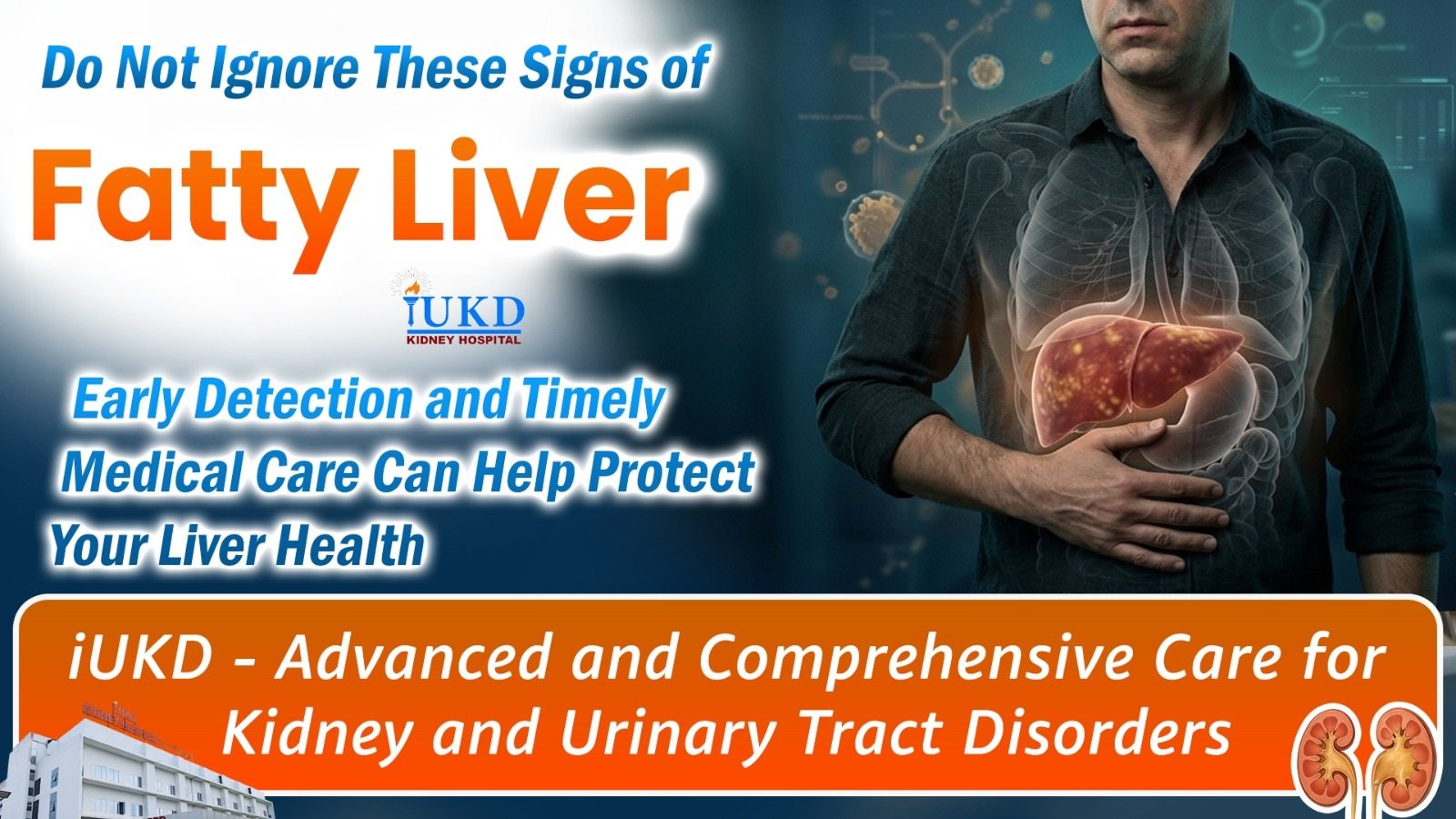
Early Detection and Timely Medical Care Can Help Protect Your Liver Health
Fatty liver disease, medically known as hepatic steatosis, is a common condition in which excess fat accumulates in the liver. It is commonly associated with obesity, diabetes, unhealthy eating habits, physical inactivity and an unhealthy lifestyle.
Fatty liver may not cause noticeable symptoms during its early stages. However, if the condition is neglected, it may progress in some people and lead to liver inflammation, scarring and other serious complications.
Recognising possible warning signs and seeking timely medical advice can therefore be important.
Excessive Tiredness and Fatigue
Persistent tiredness or fatigue may occur in some people with fatty liver disease. The liver plays an important role in metabolism and several essential functions of the body. When liver function is affected, a person may experience unusual or persistent fatigue.
Discomfort or Pain in the Upper Abdomen
Some people may experience discomfort, heaviness or pain in the upper right side of the abdomen. This may occur when the liver becomes inflamed or enlarged. However, abdominal discomfort is not specific to fatty liver and can have many other causes.
Weight Gain and Obesity
Obesity is one of the major risk factors associated with fatty liver disease. Excess abdominal fat, unhealthy eating habits and lack of physical activity can increase the likelihood of fat accumulation in the liver.
Dark-Coloured Urine
Dark urine can occur for several reasons, including dehydration and certain medications. However, when dark urine occurs along with jaundice, it may indicate a liver or bile-duct problem and should be medically evaluated.
Yellowing of the Eyes or Skin
Yellowing of the eyes or skin, known as jaundice, can be a sign of a liver or bile-related problem. It occurs when bilirubin levels become elevated.
Jaundice is not usually a typical early symptom of uncomplicated fatty liver. Therefore, if yellowing of the eyes or skin develops, medical evaluation is important.
Swelling of the Abdomen or Legs
The accumulation of excess fluid in the body can cause swelling of the abdomen or legs. Such swelling may occur in advanced or serious liver disease and should not be ignored.
Elevated Liver Enzymes
Blood tests may show elevated levels of liver enzymes such as ALT and AST when there is liver inflammation or injury. Elevated liver enzymes can occur in people with fatty liver, although not everyone with fatty liver will have abnormal liver enzyme levels.
Depending on the individual case, doctors may recommend blood tests, ultrasound or other imaging investigations.
Nausea and Loss of Appetite
Nausea, reduced appetite and a feeling of discomfort after eating can occur with some liver-related conditions. However, these symptoms are common in many other illnesses and cannot by themselves confirm fatty liver disease.
Fatty Liver and Kidney Health
Fatty liver, particularly when associated with metabolic problems, may occur alongside obesity, diabetes and high blood pressure. These conditions can also affect kidney health.
Therefore, maintaining good liver and kidney health requires attention to weight, blood sugar, blood pressure, diet, physical activity and regular medical check-ups when appropriate.
When Should You Consult a Doctor?
If you experience persistent fatigue, upper abdominal discomfort, unexplained weight gain, jaundice, swelling of the abdomen or legs, dark-coloured urine, loss of appetite or other unusual symptoms, consult a qualified healthcare professional.
People with obesity, diabetes or other metabolic risk factors should also consider appropriate periodic health assessments as advised by their doctor.
⸻
Advanced Kidney & Urology Care at iUKD
Institute of Urology and Kidney Diseases (iUKD) is a specialised kidney and urology healthcare institution in Assam offering advanced medical and surgical care for a wide range of kidney and urinary tract conditions.
At iUKD, patients can receive specialist care for kidney stones, prostate-related problems, kidney failure, urinary problems in men and women, and urological cancers, including cancers of the kidney, urinary bladder, prostate, testis and other male genital organs.
The institution also provides specialist care for various urological and sexual health conditions affecting men and women.
A team of experienced urologists and nephrologists is available to provide specialised care, with urology services available throughout the week and round-the-clock support for emergency requirements.
If you are experiencing any kidney or urinary problem, seek timely advice from a qualified specialist.
Contact: 8011501833, 9864104444
Hospital Address: Kidney Hospital iUKD, Institute of Urology and Kidney Diseases, Nazirakhat, Sonapur, Guwahati, Assam – 782402.