
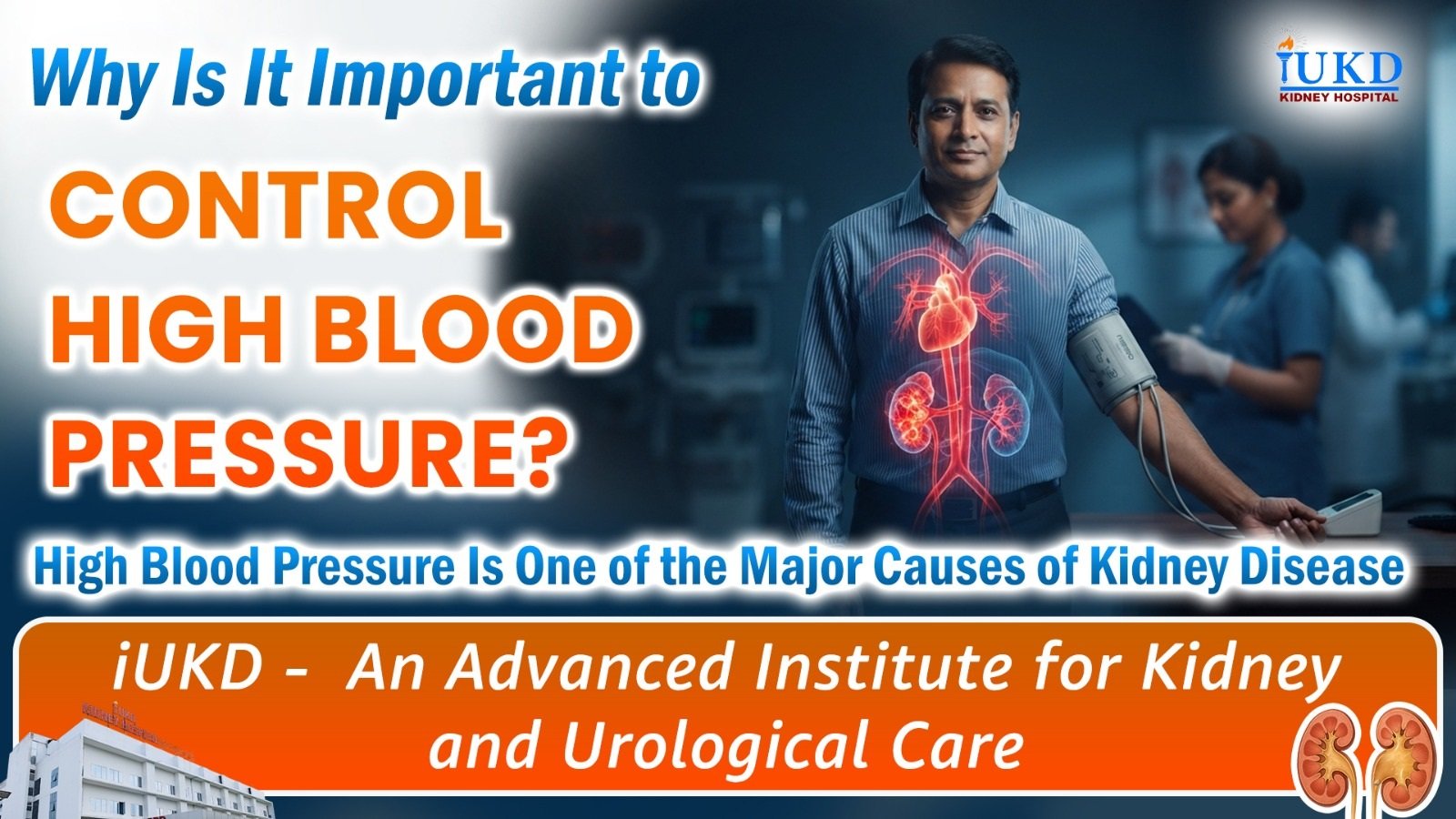
High Blood Pressure Is One of the Major Causes of Kidney Disease
High blood pressure, or hypertension, is often referred to as a “silent killer.” If it is not diagnosed and treated in time, it can lead to serious and potentially life-threatening complications, including heart attack and stroke. Globally, approximately one in three adults is affected by high blood pressure. However, many people with hypertension experience no symptoms or may not notice any obvious signs of the condition.
For a healthy adult, a blood pressure reading of around 120/80 mmHg is generally considered optimal. However, for people with kidney disease or heart disease, the appropriate blood pressure target should be determined by the treating physician. Regular blood pressure monitoring is particularly important as people get older.
Blood circulates through the body via the arteries. The pressure exerted by circulating blood against the walls of the arteries is known as blood pressure.
When a person’s blood pressure remains consistently at or above 140/90 mmHg, it may indicate hypertension and requires medical evaluation. In most cases, there is no single identifiable cause of high blood pressure. However, in some cases, it can occur as a result of other medical conditions or contributing factors.
These may include kidney disease, hormonal disorders, obesity, diabetes, and the use of certain medications such as oral contraceptive pills and steroids.
How Does High Blood Pressure Affect the Heart?
High blood pressure makes the heart work harder to pump blood throughout the body. Over time, this increased workload can cause the heart muscle to become abnormally thick and can impair the normal functioning of the heart.
Hypertension can also contribute to narrowing or blockage of the coronary arteries, increasing the risk of a heart attack. In the long term, reduced pumping capacity may lead to heart failure.
High Blood Pressure and Kidney Disease
High blood pressure can damage the tiny blood vessels in the kidneys and gradually reduce kidney function. If the condition becomes severe, it may lead to kidney failure.
In advanced cases of kidney failure, a patient may require dialysis or kidney transplantation.
Increased Risk of Stroke
High blood pressure is one of the major risk factors for stroke. It can cause blood vessels in the brain to become narrowed or blocked, or can cause a blood vessel to rupture and bleed.
A stroke can result in death or permanent physical disability, depending on its severity and the part of the brain affected.
Effects on the Eyes
High blood pressure can cause changes in the blood vessels of the retina, a condition known as hypertensive retinopathy. In severe cases, it can lead to impaired vision and even blindness.
Effects on the Blood Vessels of the Legs
Hypertension, particularly when associated with vascular disease, can impair blood circulation to the limbs. In severe cases, reduced blood supply can cause tissue damage and may eventually lead to gangrene.
How Can High Blood Pressure Be Controlled?
People with high blood pressure should:
- Avoid smoking completely.
- Maintain a healthy body weight.
- Exercise regularly for at least 30 minutes a day.
- Get 7–8 hours of adequate sleep every night.
- Reduce salt intake.
- Avoid red meat and foods high in unhealthy fats.
- Follow a balanced and nutritious diet.
- Take steps to reduce mental stress.
- Maintain a positive outlook and healthy lifestyle.
- Monitor blood pressure regularly as advised by a doctor.
- Take prescribed medicines regularly and follow medical advice.
iUKD – Comprehensive Kidney and Urological Care
iUKD, Institute of Urology and Kidney Diseases, is a super-speciality kidney hospital providing advanced treatment for a wide range of kidney and urological conditions.
The hospital provides treatment for kidney stones, prostate disorders, kidney failure, urinary problems in men and women, and urological cancers, including cancers of the kidney, urinary bladder, genital organs, testicles and prostate. Treatment for various male and female sexual health and urological problems is also provided by experienced urologists and nephrologists.
From now onwards, specialist diabetes consultation will also be available at iUKD every Saturday from 10:00 AM to 2:00 PM.
An experienced team of urologists is available at iUKD 24 hours a day, seven days a week. The hospital provides comprehensive treatment for kidney and urological conditions.
iUKD has also established a significant presence in the field of urological healthcare in Assam through its robotic urological surgery services, providing advanced surgical care for eligible patients.
Under the supervision of Dr. Arup Kumar Nath, Managing Director and Chief Urology Specialist of iUKD, popularly known as “The Laser Man of India,” a team of experienced urologists provides round-the-clock medical care and support to patients.
An experienced team of nephrologists also provides kidney-related medical care throughout the week.
If you are experiencing any kidney or urinary-related health problems, you may contact Kidney Hospital iUKD for consultation and treatment.
Contact Numbers
8011501833
9864104444
Hospital Address
Kidney Hospital iUKD
Institute of Urology and Kidney Diseases
Nazirakhat, Sonapur
Guwahati, Assam – 782402